
The psychology of risk Understanding the mind behind gambling choices
The Allure of Gambling
The world of gambling is captivating, filled with bright lights, enticing sounds, and the thrill of chance. At its core, gambling appeals to the human psyche’s love for unpredictability and reward. The anticipation of winning, often fueled by the possibility of a life-changing jackpot, draws individuals into the game. This allure is not just about the money; it’s about the excitement of potentially transforming one’s life in an instant. For those interested in finding the best gambling sites, the options are abundant and varied.
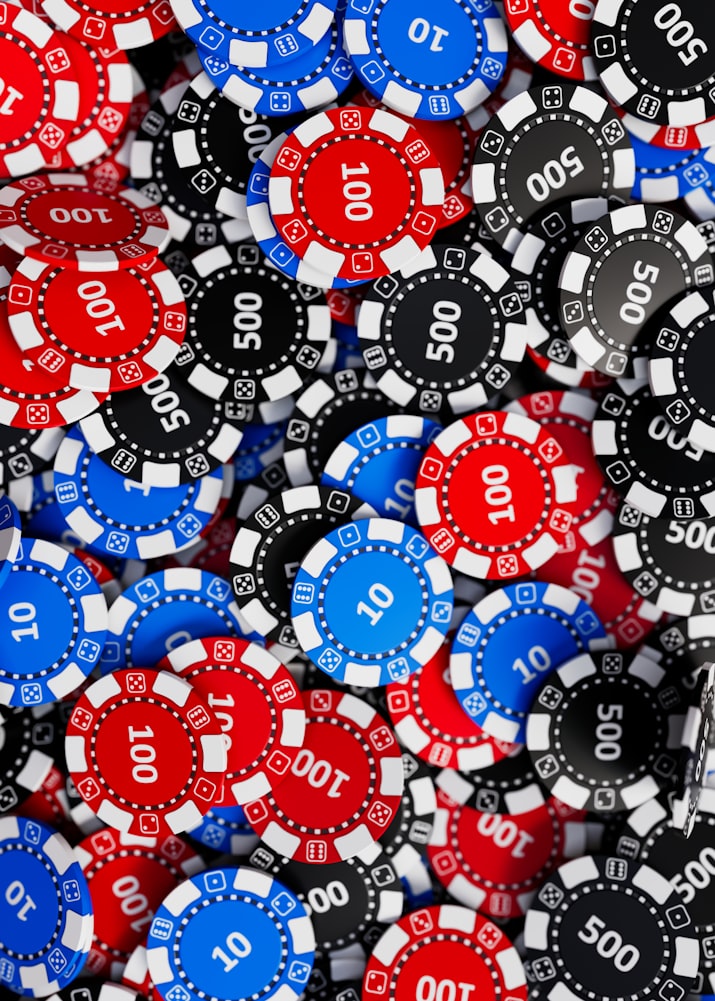
Moreover, many gamblers experience a rush of adrenaline when placing bets, which can create a heightened sense of awareness and enjoyment. This emotional rollercoaster can lead to an addictive cycle, where the rush of winning outweighs the losses. Understanding this psychological pull is crucial for grasping why people continue to gamble despite the inherent risks.
The Role of Cognitive Biases
Cognitive biases significantly influence gambling decisions, often leading players to overestimate their chances of winning. For instance, the illusion of control allows gamblers to believe they can influence outcomes, particularly in games of chance. This perception can make individuals more willing to place bets, as they convince themselves that skill plays a larger role than it truly does.
Additionally, the gambler’s fallacy, the belief that previous outcomes affect future results, further complicates decision-making. A player may think that after a series of losses, a win is “due,” prompting them to gamble more. These cognitive biases not only skew perception but also contribute to the persistence of gambling behavior, despite negative consequences.
The Social Dynamics of Gambling
Gambling is often a social activity, and the influence of peers can shape individual choices significantly. Many people gamble in groups, seeking camaraderie and shared experiences. This social aspect can enhance the enjoyment of gambling but may also pressure individuals to gamble beyond their limits to fit in or seek approval.
Furthermore, the social environment can amplify the thrill of gambling. Shared excitement during a game can create a euphoric atmosphere, further enticing individuals to participate. This social dynamic reinforces gambling behaviors, making it more challenging for individuals to recognize when their choices may be detrimental to their well-being.
Psychological Triggers and Emotional Responses
Several psychological triggers can lead individuals to gamble, including stress, boredom, and the desire for escapism. People often turn to gambling as a way to cope with negative emotions or to distract themselves from life’s challenges. The temporary relief that gambling can provide may reinforce this behavior, creating a cycle of escapism that becomes hard to break.
Emotions play a vital role in gambling choices, as feelings of excitement and hope can overshadow rational decision-making. The highs of winning can lead to overconfidence, while the lows of losing can result in chasing losses. This emotional rollercoaster can cloud judgment and lead individuals to make impulsive decisions, often resulting in significant financial repercussions.

Our Commitment to Responsible Gaming
At our platform, we understand the complexities of gambling psychology and aim to provide insightful information to help users make informed decisions. We are committed to fostering a safe gambling environment that prioritizes responsible gaming. By offering resources and guidance, we strive to empower individuals to recognize their limits and enjoy gambling without succumbing to its pitfalls.
Our community is dedicated to promoting awareness and understanding of gambling trends, ensuring that users stay informed and engaged. Join us as we navigate the evolving landscape of the gambling industry together, prioritizing safety and responsible choices for all.